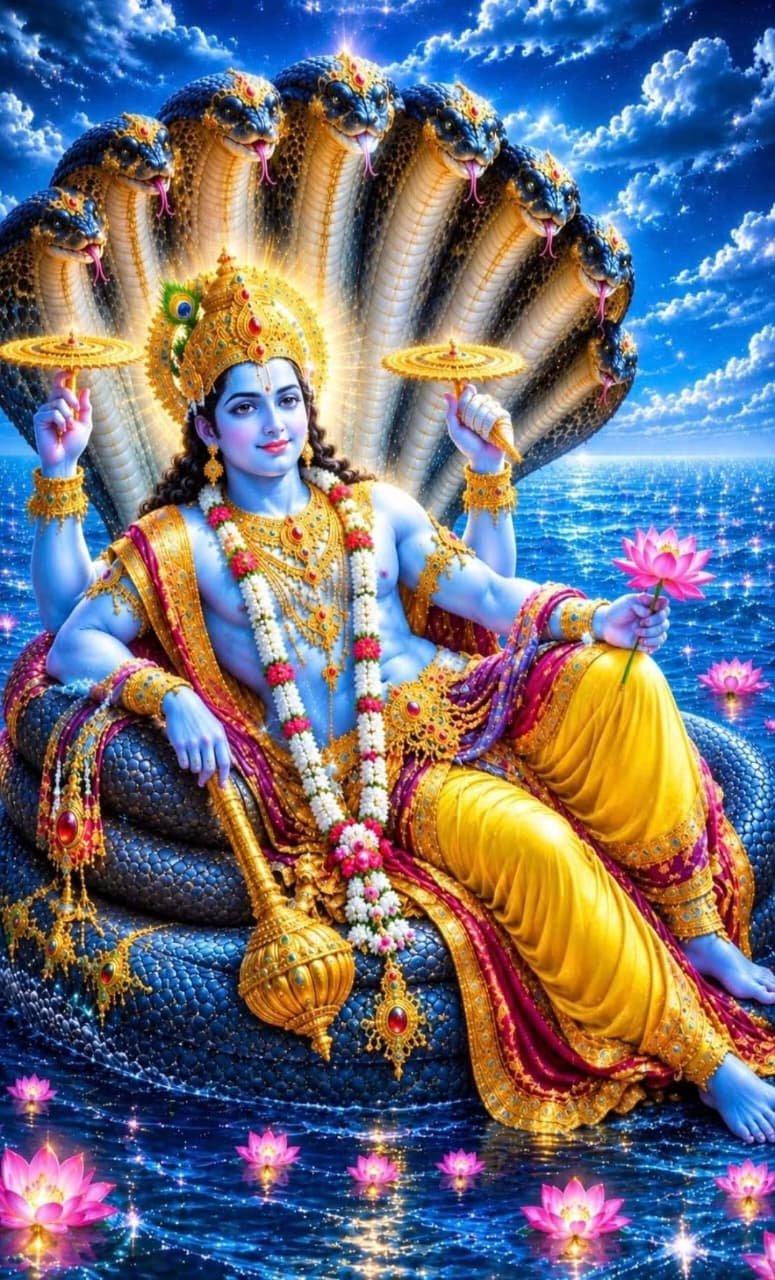
Maa Durga Sadhana – Introduction
Goddess Durga is revered in Hindu traditions as a symbol of divine strength, courage, compassion and protection. Devotees worship Maa Durga during Navratri and throughout the year according to their family and spiritual traditions.
This guide explains a simple devotional approach to Durga worship, including a commonly recited mantra, basic puja steps, spiritual significance and practical precautions.
Spiritual Significance of Durga Sadhana
In Hindu devotional traditions, worship of Maa Durga is associated with courage, devotion, self-discipline and the aspiration for spiritual well-being. Prayer and mantra repetition can also provide a structured opportunity for reflection and concentration.
Personal spiritual experiences vary, and devotional practices should not be understood as guarantees of specific outcomes.
Items for a Simple Durga Puja
- A picture or idol of Goddess Durga
- A clean and comfortable sitting mat
- Flowers and clean water
- A lamp or incense, if desired
- Kumkum or other customary offerings
- A japa mala, if preferred
- Fruit or another simple offering
Maa Durga Mantra
ॐ दुं दुर्गायै नमः॥
Om Dum Durgaye Namah
Meaning of the Mantra
The mantra expresses reverence toward Goddess Durga. The syllable "Dum" is traditionally associated with the goddess. Pronunciation and ritual usage may vary among lineages.
Simple Step-by-Step Durga Sadhana
Step 1 – Prepare a Clean Space
Choose a peaceful place at home. Place a picture or idol of Maa Durga in a respectful position.
Step 2 – Offer Prayer
Offer flowers, water or other customary items according to your tradition. If you light a lamp, place it safely and never leave it unattended.
Step 3 – Set a Devotional Intention
Remember Maa Durga and offer a prayer for wisdom, courage and the well-being of all.
Step 4 – Chant the Mantra
Repeat the mantra calmly. Beginners may choose 11, 21 or 108 repetitions according to their comfort. These are optional practice counts, not universal requirements.
Step 5 – Sit Quietly
After chanting, spend a few moments in quiet reflection. Breathe naturally without forcing or holding the breath.
Step 6 – Conclude the Puja
Offer a final prayer of gratitude and respectfully conclude the devotional practice.
Best Time for Durga Worship
Many devotees prefer morning or evening for prayer. However, a quiet and convenient time may be chosen for simple daily worship.
Navratri is especially associated with Goddess Durga, but ordinary devotional prayers are not limited to the festival.
Traditional Spiritual Benefits
- Encouragement toward regular spiritual practice
- Reflection on courage and compassion
- Opportunities for concentration and mindfulness
- A stronger connection with devotional traditions
- Personal reflection and self-discipline
These are traditional spiritual associations and possible personal experiences, not guaranteed medical or supernatural results.
Important Precautions
- Practice within your physical and emotional comfort.
- Use lamps and incense safely.
- Seek qualified traditional guidance for specialized initiation-based rituals.
- Do not replace professional medical care with spiritual practices.
- Avoid unnecessary fear, pressure or extreme practices.
Frequently Asked Questions
Can I worship Maa Durga at home?
Yes. Simple devotional worship and prayer are commonly practiced at home. Specialized rituals may have different requirements.
Is chanting 108 times compulsory?
No. For ordinary personal devotion, the number of repetitions can depend on individual preference and tradition.
Is Durga Sadhana limited to Navratri?
No. Although Navratri is a major festival dedicated to the goddess, devotees also offer prayers on other days.
Conclusion
Maa Durga Sadhana can be approached as a simple practice of devotion, prayer and spiritual reflection. Respecting one's tradition, maintaining consistency and practicing safely are more important than following unnecessarily rigid routines.
Disclaimer: This article provides religious and educational information. Practices and interpretations may differ across traditions.